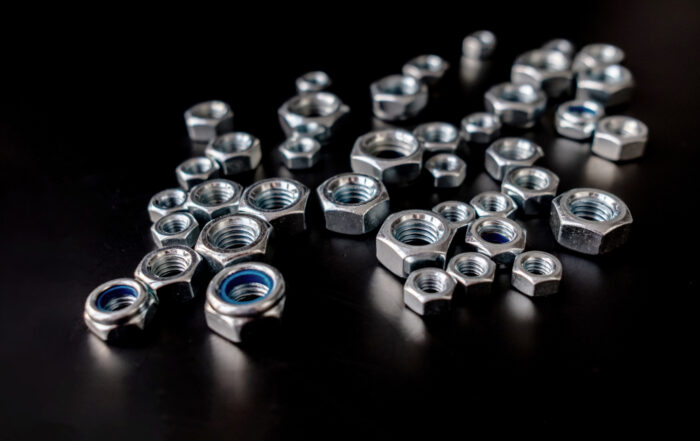
Waxed nylon insert lock nuts can help address a problem that catches many installers by surprise: stainless steel galling. A nut may begin threading normally, then suddenly become difficult to turn or seize completely before the joint is tightened.
Galling is different from corrosion. It happens through friction between mating stainless steel threads, often during installation. Dry threads, excessive speed, improper alignment, and over-tightening can all increase the risk.
Using the right hardware and installation method can reduce that risk. Marsh Fasteners supplies stainless steel nuts, bolts, and locking hardware for contractors, fabricators, and commercial buyers.
Shop Stainless Steel Nylon Insert Lock Nuts
What Is Galling?
For anyone asking what galling is, it is a mechanical form of thread damage caused by friction and adhesion between contacting metal surfaces.
As stainless steel threads move against one another under pressure, friction can damage the protective oxide layer. Metal surfaces may then begin to stick, tear, and transfer material between the nut and bolt. This process is sometimes described as cold welding.
Once galling starts, continuing to turn the nut often makes the problem worse. The threads can become rough, bind, or seize completely, leaving both the nut and bolt unusable.
The causes of galling in stainless steel fasteners are usually connected to installation conditions. Fast tightening, dry threads, cross-threading, excessive torque, and damaged or poorly matched threads can all contribute.
Why Stainless Steel Threads Gall—and Why Lock Nuts Need Special Attention
Stainless steel forms a chromium oxide layer that helps protect the underlying metal from corrosion. That layer is useful in service, but friction between mating threads can disrupt it during tightening.
Austenitic stainless grades such as 304 and 316 are particularly susceptible to galling because of their material characteristics. When exposed metal surfaces rub together under load, friction generates heat and increases the chance of adhesion.
Lock nuts add another factor. A nylon insert creates prevailing torque as the bolt passes through the nut. That resistance is intentional because it helps the nut resist loosening, but it also increases installation friction.
This is why nylon insert lock nuts and galling need to be considered together when working with stainless hardware. Correct installation speed, thread condition, and lubrication can make a substantial difference.
Marsh Fasteners supplies both 316 stainless steel fasteners and 18-8 stainless steel fasteners for a range of assembly conditions.
Galling vs. Corrosion: Understanding the Difference
The distinction between galling vs. corrosion matters because the two problems have different causes and require different prevention methods.
Corrosion is a chemical process that develops over time through exposure to moisture, chlorides, contamination, or other environmental conditions. Galling is a friction-related failure that commonly appears while the fastener is being installed or removed.
| Factor | Galling | Corrosion |
|---|---|---|
| Cause | Friction and metal-to-metal adhesion | Chemical reaction with moisture or chlorides |
| When it occurs | During installation or removal | Gradually during service |
| Warning signs | Increased resistance, rough turning, seizing | Discoloration, pitting, rust bleed |
| Prevention | Lubrication, slower installation, suitable hardware | Correct grade selection, cleaning, isolation |
A stainless assembly can experience either problem, but treating one does not automatically prevent the other.
How Waxed Nylon Insert Lock Nuts Help Reduce Galling
The main reason to use waxed lock nuts for stainless steel fasteners is to reduce friction as the nut moves along the mating threads.
A controlled wax coating provides lubrication on the metal threads during installation. Lower friction can mean less heat and less metal-to-metal adhesion, which reduces the conditions that contribute to galling.
The nylon insert serves a different purpose. It creates prevailing torque that helps resist loosening from movement or vibration. The wax works on thread friction while the nylon insert provides the locking action.
This explains how waxed nyloc nuts reduce galling, but the wax does not make an assembly gall-proof. Threads still need to be clean, undamaged, correctly matched, and installed at an appropriate speed.
Standard nylon insert nuts without wax may create more thread friction. All-metal lock nuts can also produce substantial prevailing torque, while a separate anti-seize compound may be applied when the fastening specification permits it.
Using anti-seize for stainless steel fasteners can also affect the relationship between tightening torque and clamping force. When lubrication is present, installers should follow the applicable torque procedure or manufacturer guidance rather than assuming dry-thread values still apply.
When Are Waxed Nylon Insert Lock Nuts the Right Choice?
Waxed nylon insert nuts are suited to applications that need resistance to loosening while also controlling installation friction.
The service environment needs to be considered before selecting them. Temperature and chemical exposure can affect whether a nylon insert is appropriate, so the locking method should match the operating conditions.
Reuse also deserves attention. A nylon insert can lose some of its prevailing torque after installation and removal. If locking performance is uncertain or project requirements call for new hardware, replace the nut.
In applications where nylon is unsuitable, an all-metal locking nut, another locking method, or a separate lubricant may be more appropriate. Matching hardware such as 316 stainless steel bolts should also suit the environment and assembly requirements.
How to Select and Install Waxed Nylon Insert Lock Nuts
Start by matching the nut diameter, thread pitch, and stainless steel grade to the mating bolt. The nut style and height must also provide the thread engagement required by the assembly.
Begin threading the nut by hand. It should start squarely and turn without cross-threading before tools are used.
During tightening, use the appropriate tools and keep installation speed controlled. High-speed installation can increase heat at the threads and raise the risk of galling.
Lubricated or waxed fasteners may require different torque values than dry hardware. Follow the specified tightening procedure for the assembly.
Marsh Fasteners carries 316 stainless steel nuts and offers bulk purchasing for contractors, fabricators, and commercial operations.
Why Contractors and Fabricators Choose Marsh Fasteners
Marsh Fasteners supplies stainless steel nuts, bolts, and related hardware across a range of grades and sizes.
Contractors and fabricators can source hardware for individual jobs or request bulk and wholesale pricing for ongoing production requirements. The available range includes 18-8 stainless steel bolts as well as 316 options for more demanding environments.
Product selection also matters when stainless steel galling prevention is part of the job. Grade pairing, thread condition, lubrication, and installation method all influence how the connection performs.
Galling can ruin stainless steel hardware before an assembly ever enters service, but careful fastener selection and installation can reduce the risk. Slow tightening, properly matched threads, suitable lubrication, and attention to torque are all part of good practice.
For applications that require stainless steel locking nuts, waxed nylon insert lock nuts can reduce thread friction while the nylon insert helps resist loosening. They are one useful option in a broader stainless steel galling prevention strategy.
Marsh Fasteners supplies stainless nuts, bolts, and related hardware for contractors and fabricators who need dependable fastening options.
Shop Stainless Steel Nylon Insert Lock Nuts