Stainless Steel Washers

Reliable Washers for Corrosion-Resistant Fastening

Stainless steel washers are essential components for creating secure, stable, and corrosion-resistant fastening assemblies. They help distribute load, protect surfaces, reduce loosening, and improve long-term fastener performance in demanding environments. Whether used in marine, construction, industrial, or outdoor applications, stainless steel washers provide dependable durability where moisture, vibration, and material stress are concerns.

Please contact our sales department for bulk pricing, quotations, and additional information on our stainless steel washers.

Types of Stainless Steel Washers Available

Stainless Steel Flat Washers

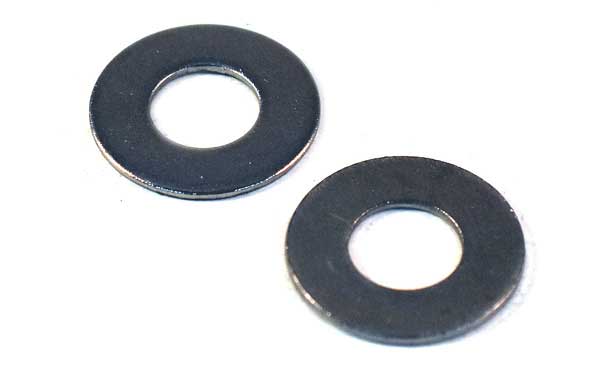
Stainless steel flat washers are general-purpose washers used to distribute the load of a bolt, screw, or nut across a wider surface area. They help protect the material being fastened, reduce surface damage, and create a more stable connection in construction, marine, industrial, and outdoor applications.

Stainless Steel Lock Washers

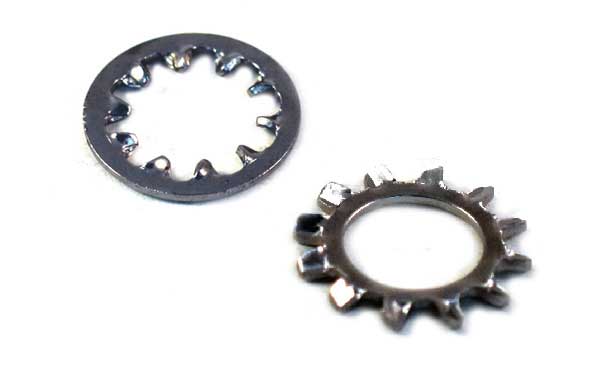
Stainless steel lock washers are designed to help reduce loosening caused by vibration or movement. They are commonly used in assemblies where a secure hold is important, especially around equipment, machinery, vehicles, and structural connections exposed to repeated use.

Stainless Steel Fender Washers

Stainless steel fender washers have a larger outside diameter than standard flat washers, allowing them to spread the load over a wider area. They are useful when fastening softer materials, covering oversized holes, or adding extra surface support in wood, sheet metal, plastic, and outdoor applications.

Stainless Steel Finish Washers

Stainless steel finish washers provide a clean, finished appearance for visible fastener installations. They are often used with flat or oval head screws where appearance matters, such as trim, railings, cabinetry, decorative hardware, and exterior projects.

Stainless Steel Bonded Sealing Washers

Stainless steel bonded sealing washers include a sealing material that helps limit moisture intrusion around the fastener. They are often used in applications where water resistance, weather protection, or sealing performance is important, including roofing, marine, equipment, and outdoor installations.

304 vs. 316 Stainless Steel Washers

304 stainless steel washers are a reliable choice for general-purpose use, offering good corrosion resistance in many indoor and outdoor environments. For harsher conditions, 316 stainless steel washers provide enhanced resistance to chlorides, making them better suited for marine, coastal, chemical, and high-moisture applications.

Feature 304 Stainless Steel Washers 316 Stainless Steel Washers
Best use case General indoor and outdoor applications Marine, coastal, chemical, and high-moisture applications
Corrosion resistance Good Superior, especially against chlorides
Cost level More cost-effective Higher cost due to added corrosion resistance
Marine suitability Limited or mild exposure Better suited for saltwater and coastal environments

Common Applications for Stainless Steel Washers

Stainless steel washers are commonly used in environments where strength, corrosion resistance, and long-term reliability are important. Their durability makes them suitable for both indoor and outdoor fastening assemblies, especially where moisture, vibration, or load distribution must be managed carefully.

Common applications include:

  • Marine hardware and dock construction
  • Outdoor decks, fences, and railings
  • Construction and structural fastening
  • Industrial equipment and machinery
  • Automotive and trailer assemblies
  • DIY repairs and home improvement projects

Related Stainless Steel Fasteners

For complete fastening assemblies, pair stainless steel washers with compatible stainless steel bolts, stainless steel nuts, stainless steel screws, and threaded rod. For marine or high-moisture applications, related products such as marine fasteners and hose clamps may also help support stronger, more corrosion-resistant installations.

Stainless Steel Washers FAQs

What Is a Washer and Why Should I Use It?2026-07-16T05:40:18-04:00

Washers, typically made from plastic or metal, are thin plates with a hole in the center. They are used for various purposes, including:

  • Distributing the load of a threaded fastener (nut, screw, or bolt) to prevent damage to the material being fastened.
  • Preventing galvanic corrosion by acting as a buffer between dissimilar metals.
  • Providing stability and preventing loosening due to vibration in certain applications.
  • Available in a wide variety of materials to match specific application needs, including corrosion-resistant and high-durability options.
How Do Washers Help Prevent Corrosion?2026-07-16T05:41:05-04:00

Washers made from corrosion-resistant materials, such as stainless steel, provide a protective barrier.

Key points:

  • Corrosion-resistant washers reduce the likelihood of galvanic corrosion between metals.
  • They distribute the load evenly, preventing localized stress that can lead to material degradation.
  • Particularly important in harsh, corrosive environments like marine or chemical industries.
Are There Different Types of Stainless Steel Washers?2026-07-16T05:41:42-04:00

There are indeed many different types of stainless steel washers. They include stainless steel flat washers, stainless steel lock washers, stainless steel fender washers, stainless steel finish washers, stainless steel star lock washers, stainless steel SAE & stainless steel AN washers, stainless steel tooth washers (internal & external), as well as stainless steel bonded sealing washers.

What Is The Diameter Of A Washer, And Why Does It Matter?2026-07-16T05:42:33-04:00

The diameter of a washer, often referred to as the outer diameter (OD) and inner diameter (ID), is crucial to ensure the washer fits the bolt or screw being used.

Key considerations include:

  • Outer diameter (OD) should match the size of the fastener to distribute the load evenly.
  • Inner diameter (ID) should fit snugly around the bolt or screw to secure the connection.
  • Proper diameter ensures no damage to the material being fastened.
Should I Always Use a Washer Under the Bolt Head and Nut Face?2026-07-16T05:43:24-04:00

Yes, unless you are using flanged fasteners.

Key reasons to use washers:

  • Washers distribute the load evenly, reducing pressure points on the material.
  • They protect the surface from damage and ensure a more secure connection.
  • In applications where vibration is a concern, washers help to maintain integrity and prevent loosening.
  • Using washers ensures proper fit between the fastener and the surface, providing optimal performance.
What Grades Do You Get for Stainless Steel Washers?2026-07-16T05:43:56-04:00

Stainless steel washers are commonly available in two grades:

  • 18-8/304 stainless steel: Offers good corrosion resistance and is suitable for mild conditions.
  • 316 stainless steel: Provides superior corrosion resistance, particularly in harsh environments like marine or chemical applications.
  • The grade of stainless steel impacts the washer’s strength, durability, and resistance to corrosion, making it important to choose the correct grade for your specific needs.
What Is The Difference Between A 316 Stainless Steel Washer And A 304 Stainless Steel Washer?2026-07-16T05:44:31-04:00

316 stainless steel washers offer superior corrosion resistance.

Differences include:

  • 316 stainless steel contains molybdenum for enhanced resistance to corrosion, particularly in marine and chemical environments.
  • 304 stainless steel is cost-effective and provides good durability for mild conditions.
  • 316 is better for harsh environments like petrochemical applications.
Do I Need to Use the Same Grade Washer as the Bolt and Nut?2026-07-16T05:45:06-04:00

Ideally, yes. Using the same grade washer as the fasteners ensures:

  • Consistency in material properties helps to maintain the integrity of the connection.
  • A uniform level of corrosion resistance, especially in harsh environments.
  • Prevention of galvanic corrosion by avoiding different materials that could cause deterioration between the washer and the fastener.
  • The overall connection will perform better under stress, temperature, and vibration conditions.
Should a Washer Go on the Nut Side or the Bolt Side?2026-07-16T05:45:46-04:00

If using just one washer, place it on the nut side.

Reasons for this placement include:

  • The nut has a smaller surface area in contact with the material than the bolt, making the washer more effective in distributing the load.
  • Placing the washer under the nut helps prevent damage to softer materials, like wood or plastic, and ensures a more secure hold.
  • In some cases, using stainless steel washers on both sides may be necessary for optimal performance in structural applications.

Stainless Steel Washers Supplier

Looking for high-quality stainless steel washers? Marsh Fasteners offers a comprehensive selection of 18-8/304 and 316 stainless steel washers designed for superior corrosion resistance and long-lasting performance. Order online or contact our team today for expert assistance, competitive pricing, bulk order quotes, and product availability.

Go to Top