If you are asking how carriage bolts work, the answer starts with their distinctive square neck. That small feature helps hold the bolt in place while the nut is tightened, which is one reason carriage bolts are widely used in decks, fences, outdoor furniture, and exposed wood construction.
Outdoor projects place fasteners in constant contact with rain, humidity, temperature changes, and, in coastal areas, salt. Standard hardware can corrode, stain surrounding materials, and require replacement sooner than expected. Stainless steel carriage bolts offer a practical option for builders who want corrosion resistance, a clean finished head, and lower maintenance.
Marsh Fasteners supplies stainless carriage bolts for contractors, builders, and DIY projects, including 316 stainless steel bolts for demanding outdoor environments.
Shop 316 Stainless Steel Carriage Bolts
How Does a Carriage Bolt’s Square Neck Work?
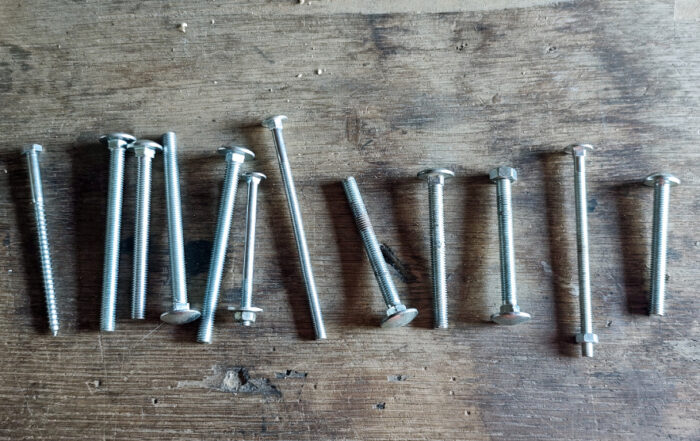
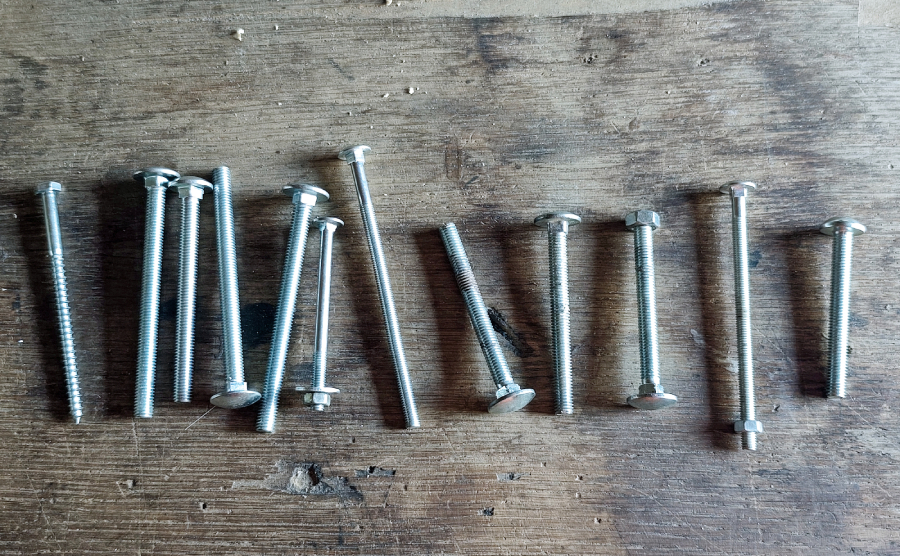
A carriage bolt has a smooth, rounded head with a square section directly underneath it. When the bolt is installed, that square neck seats into the wood or a correctly sized square opening and helps prevent the bolt from rotating.
That means the installer can tighten the nut from the opposite side without needing to hold the head with a wrench. In wood construction, the square neck bites into the surrounding material as the bolt is seated.
The domed head also gives carriage bolts a clean appearance on exposed surfaces and makes them more difficult to grip from the head side. These features make them common in deck framing, fencing, playground equipment, outdoor furniture, and other connections where the finished side remains visible.
For more background on their basic design and uses, see Marsh Fasteners’ guide to what a carriage bolt is and when to use it.
How to Choose the Correct Carriage Bolt Size and Thread
Correct sizing starts with bolt diameter and usable length. The bolt must pass through the full material stack while leaving enough thread for the washer, nut, and required thread engagement.
Consider the thickness of every component in the connection rather than measuring only the main piece of lumber or hardware. A bolt that is too short may not provide enough thread beyond the nut, while excessive length can leave unnecessary exposed threads.
Thread configuration also matters. Some carriage bolts are fully threaded, while others have an unthreaded section of shank. Depending on the connection, an unthreaded shank may be preferable through the shear plane.
Hole size should be large enough for the shank to pass through but not so oversized that the square neck cannot seat correctly. Matching stainless steel nuts and washers should also be used where specified. For load-critical connections, follow the project drawings and engineering requirements rather than sizing by appearance alone.
Why Stainless Steel Is the Ideal Choice
Stainless steel contains chromium, which forms a thin protective oxide layer on the surface. That layer gives stainless fasteners their resistance to rust and corrosion in wet environments.
18-8/304 stainless steel performs well for many residential and general outdoor projects. It is commonly used for decks, fences, playsets, and other structures away from frequent saltwater exposure.
316 stainless steel contains molybdenum, which provides additional resistance to chloride exposure. For docks, coastal decks, marine structures, and other areas regularly exposed to salt or high moisture, 316 stainless steel bolts are generally the stronger choice for corrosion resistance.
| Feature | 304 / 18-8 Stainless Steel | 316 Stainless Steel |
|---|---|---|
| Corrosion resistance | Strong for general outdoor use | Excellent for saltwater and chlorides |
| Best environment | Decks, fences, inland outdoor builds | Docks, coastal decks, marine structures |
| Staining resistance | Good | Superior |
| Cost | Lower | Slightly higher |
| Typical uses | Residential decking, playsets, fencing | Waterfront and coastal construction |
Key Outdoor Applications for Stainless Steel Carriage Bolts
Corrosion-resistant carriage bolts are used anywhere exposed hardware needs to remain secure while standing up to moisture.
Deck and dock builders use them for framing, railings, support posts, and other through-bolted connections. They are also common in fencing, gates, pergolas, playground equipment, and outdoor furniture where the smooth head creates a neat exposed finish.
Agricultural buildings and equipment can also benefit from outdoor fastener hardware that resists regular moisture exposure. Near the water, stainless carriage bolts are used in piers, boardwalks, seawall fixtures, and related structural components.
The environment should always guide material selection. The same bolt that performs well on an inland residential deck may face much harsher conditions on a waterfront structure.
304 vs. 316 Stainless Steel Carriage Bolts: Which Should You Choose?
The choice between 304 vs. 316 stainless steel carriage bolts depends mainly on exposure.
18-8 / 304 stainless steel carriage bolts are a cost-effective option for general outdoor construction. Decks, fences, play structures, and residential projects in inland locations are common applications.
For direct saltwater contact or frequent chloride exposure, 316 stainless steel carriage bolts are the preferred option. The added molybdenum improves resistance to the conditions found around docks, seawalls, coastal decks, and marine structures.
When choosing between grades, consider proximity to saltwater, how often the connection stays wet, and how long the structure is expected to remain in service. Initial price should not be the only factor when premature corrosion could lead to repair or replacement work.
Installation Mistakes to Avoid with Carriage Bolts
Even good fasteners can perform poorly when installed incorrectly.
One common mistake is drilling an oversized hole. If the hole is too large, the square neck may not grip properly, and the bolt can turn while the nut is tightened.
Avoid forcing the bolt head into place in a way that damages the surrounding wood or prevents the head from seating correctly. Length also needs attention. A carriage bolt that is too short may not leave enough room for the washer, nut, and proper thread engagement.
Material selection is another concern. Mixing incompatible metals can increase the risk of galvanic corrosion, while using 304 in direct saltwater exposure may shorten service life compared with 316.
Contractors buying for larger builds can order 316 stainless steel carriage bolts in project quantities through Marsh Fasteners.
Why Contractors and Builders Choose Marsh Fasteners
Marsh Fasteners carries both 304 and 316 stainless steel carriage bolts in standard and specialty sizes for residential, commercial, marine, and coastal construction.
Reliable stock helps contractors keep projects moving, while bulk and wholesale pricing supports larger purchasing requirements. The team can also help buyers compare stainless grades based on the project environment rather than choosing hardware by size alone.
For builders working in Florida and other coastal regions, access to corrosion-resistant bolts is particularly important because moisture and salt exposure are regular jobsite conditions.
Carriage bolts combine a smooth exposed head with a square neck that helps hold the fastener in place during tightening. For outdoor construction, choosing stainless steel adds corrosion resistance that standard hardware may not provide over long periods of rain, humidity, and salt exposure.
304 stainless steel works well for many inland decks, fences, and residential projects. For coastal and waterfront construction, 316 stainless steel is usually the better fit.
Once you understand how carriage bolts work, choosing the right size and grade becomes much easier. Marsh Fasteners supplies 304 and 316 stainless carriage bolts for builders who need dependable hardware for outdoor and exposed applications.
Shop 316 Stainless Steel Carriage Bolts