
Stainless steel concrete anchors for coastal construction help protect structural connections from saltwater, salt air, humidity, and chloride exposure. In coastal projects, anchor failure is more than a maintenance issue. It can affect docks, seawalls, piers, balconies, railings, and waterfront buildings.
Standard steel and zinc-coated anchors often corrode fast in marine environments. Once corrosion starts, anchors can lose holding strength, stain surrounding concrete, or require early replacement.
316 stainless steel concrete anchors give contractors, engineers, and builders a better option for coastal anchoring. Marsh Fasteners supplies marine-grade concrete anchors for projects that need long service life and corrosion resistance.
The Challenge of Anchoring in Coastal Environments
Coastal job sites expose fasteners to conditions that standard anchors are not built to handle. Saltwater and salt air speed up chloride corrosion in carbon steel and zinc-coated anchors.
Tidal zones and splash zones are especially harsh. Anchors may get wet, dry out, then get wet again many times in one day. That cycle increases the risk of corrosion, pitting, and loss of holding power.
High humidity, UV exposure, and temperature changes add more stress. In seawalls, docks, piers, and coastal buildings, corroded anchors can compromise structural safety. Some coastal specifications also require corrosion-resistant anchors for coastal construction, especially in areas exposed to saltwater or salt spray.
What Are Stainless Steel Concrete Anchors?
Stainless steel concrete anchors are mechanical fasteners used to attach materials to concrete, block, or masonry. They transfer load into the base material and help secure structural or nonstructural components.
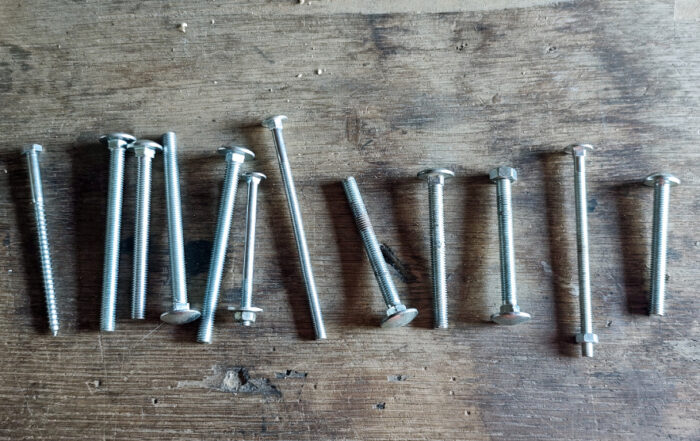
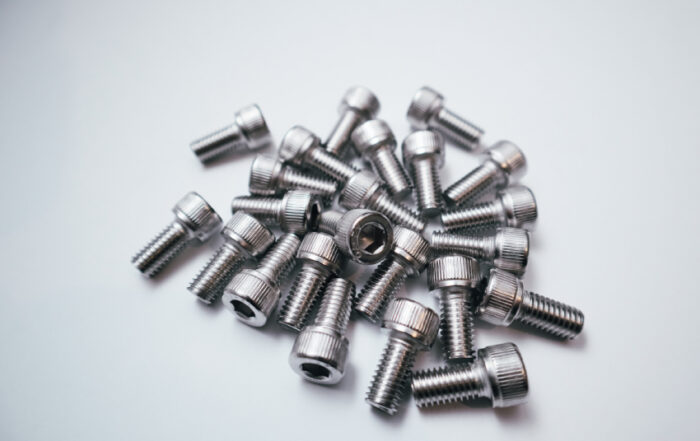
Common types of stainless steel concrete anchors include:
- Stainless steel wedge anchors
- Stainless steel sleeve anchors
- Stainless steel drop-in anchors
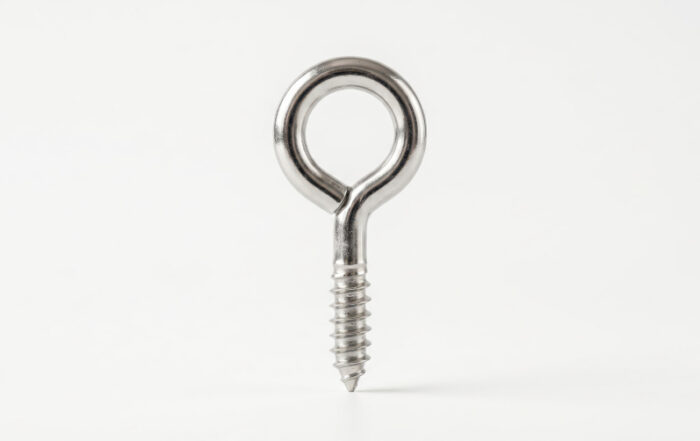
- Stainless steel concrete screws
These anchors are used when a load must be secured into concrete in a corrosive setting. For coastal projects, 303, 304, and 316 stainless steel are common material options. 316 is usually the best choice for direct saltwater exposure.
Types of Stainless Steel Concrete Anchors for Coastal Projects
Different coastal applications call for different anchor styles. The right choice depends on the substrate, load, installation method, and exposure level.
Stainless Steel Wedge Anchors
303 / 304 stainless steel wedge anchors and 316 stainless steel wedge anchors provide high holding strength in solid concrete.
They are a strong fit for:
- Seawall construction
- Pier footings
- Dock hardware
- Structural brackets
- Coastal building connections
For heavy-duty coastal anchoring, 316 stainless steel wedge anchors are often the preferred option.
Stainless Steel Sleeve Anchors
304 stainless steel sleeve anchors expand inside concrete, block, or masonry to create a secure hold. They work well for medium-load coastal applications.
Common uses include:
- Handrails
- Signs
- Light fixtures
- Equipment mounts
- Marine facility hardware
Stainless steel sleeve anchors are useful when the base material or installation conditions call for expansion across a larger surface area.
Stainless Steel Drop-In Anchors
Stainless steel drop-in anchors are internally threaded anchors set flush with the concrete surface. They create a clean finish and allow bolts or threaded rod to be removed when needed.
They are commonly used for:
- Overhead concrete attachments
- Flush-surface installations
- Dock and pier hardware
- Marine facility fit-outs
Drop-in anchors are a practical choice where a clean surface and removable fastening point matter.
Elco Stainless Steel Concrete Screws
Elco stainless steel concrete screws fasten directly into concrete without a separate anchor insert. They support faster installation for lighter coastal applications.
They are often used by trades that need speed, clean installation, and corrosion resistance in outdoor or coastal environments.
Why 316 Stainless Steel Is the Standard for Coastal Anchoring
316 stainless steel contains molybdenum, which improves resistance to chloride pitting and crevice corrosion. Chlorides are common in saltwater and salt air, so this matters in coastal construction.
Compared with 304 stainless steel, 316 stainless steel performs better in direct saltwater, splash zones, submerged conditions, and high-humidity coastal climates.
| Anchor Type | Grade Available | Best Coastal Application | Load Capacity |
|---|---|---|---|
| Wedge Anchor | 303 and 316 SS | Seawalls, pier footings, structural brackets | High |
| Sleeve Anchor | 304 SS | Handrails, fixtures, medium-load mounts | Medium |
| Drop-In Anchor | 303 and 304 SS | Overhead and flush-surface installations | Medium |
| Elco Concrete Screw | Stainless Steel | Light-duty coastal attachments | Light to medium |
For coastal projects with direct chloride exposure, 316 stainless steel is usually the safer specification.
Stainless Steel vs Standard Anchors for Coastal Construction
Standard anchors may cost less at purchase, but the full project cost can be higher. If anchors corrode early, contractors may face repairs, replacements, downtime, and safety concerns.
| Feature | Standard or Zinc-Coated Anchors | 316 Stainless Steel Anchors |
|---|---|---|
| Saltwater resistance | Poor, corrodes quickly | Excellent, resists chlorides |
| Coastal service life | Often 2 to 5 years | Often 10 to 20+ years |
| Maintenance | Frequent inspection and replacement | Lower long-term maintenance |
| Structural risk | Higher, corrosion weakens hold | Lower, maintains load capacity |
| Coastal specification fit | Often not accepted | Meets many marine-grade requirements |
Stainless steel vs. standard anchors is not only a price comparison. It is a lifecycle decision. In saltwater environments, longer service life often justifies the higher initial cost.
Key Applications in Coastal and Marine Construction
Concrete anchors for saltwater environments are used across many coastal projects. Each job has different load, access, and exposure needs.
Common applications include:
- Seawall and retaining wall construction, including hardware, tie-backs, and structural brackets
- Dock and pier construction, including post bases, joist hangers, and cleat mounting
- Coastal residential and commercial buildings, including facade attachments and balcony hardware
- Boardwalks and waterfront promenades, including decking substructure anchoring
- Marine facility fit-outs, including handrails, safety fixtures, and equipment mounts
Anchors for seawall and dock construction should be selected with the exposure zone in mind. Splash zones and tidal areas usually need 316 stainless steel.
How to Select the Right Anchor for Your Coastal Project
Choosing the right anchor starts with the job conditions. Guessing can lead to weak connections, difficult installation, or early corrosion.
Check these details before ordering:
- Substrate type: Confirm solid concrete, hollow block, or masonry.
- Load requirements: Review tensile and shear loads before choosing size and type.
- Exposure zone: Use 316 stainless steel for splash zones, saltwater, and submerged areas.
- Installation method: Choose through-bolt, flush-set, or direct-screw installation.
- Code requirements: Review local coastal construction rules before specifying anchors.
For project support, Marsh Fasteners can help contractors match anchor type, grade, and quantity to the application.
Why Contractors Choose Marsh Fasteners for Coastal Anchoring
Marsh Fasteners supplies stainless steel anchors options for marine, construction, industrial, and coastal use.
Contractors choose Marsh Fasteners for:
- 303, 304, and 316 stainless steel anchor options
- Wedge, sleeve, drop-in, and screw anchor types
- Elco stainless steel concrete screws
- Bulk and wholesale pricing
- Product guidance for anchor selection
- Fast shipping to Florida and coastal U.S. markets
Marsh Fasteners also supports buyers who need broader anchoring systems for coastal construction, marine facilities, and waterfront structures.
FAQs About Stainless Steel Concrete Anchors
Stainless steel concrete anchors for coastal construction raise common questions about grade, anchor type, and long-term performance. These answers can help you choose the right product before ordering.
Shop Marine Grade Concrete Anchors From Marsh Fasteners
Coastal construction depends on anchors that can resist saltwater, salt air, and chloride exposure. 316 stainless steel concrete anchors give contractors a stronger long-term option than standard or zinc-coated anchors in marine environments.
For docks, seawalls, piers, boardwalks, and waterfront buildings, stainless steel concrete anchors for coastal construction help protect structural connections and reduce early replacement.