
Let’s be honest about screws for a second. Most people don’t think about them until something goes wrong—until that deck screw snaps, or that marine hardware starts looking like it survived the Titanic. That’s when you realize not all fasteners are created equal, and that the cheapest option usually costs you more in the long run.
If you’re working on marine projects, outdoor construction, or industrial applications where corrosion is the enemy, 316 stainless steel screws aren’t just a good choice—they’re often the only choice that makes sense. But here’s what most suppliers won’t tell you: understanding why 316 stainless steel works requires getting into metallurgy, and frankly, most people selling fasteners don’t really understand it themselves.
At Marsh Fasteners, we’ve been dealing with this reality since 1992. We’ve seen contractors learn the hard way that not all “stainless” steel is the same. That’s why we stock a comprehensive range of 316 stainless steel screws and specialty fasteners.
What Makes 316 Stainless Steel Different?
Here’s where things get interesting, and where most fastener suppliers start waving their hands and talking about “marine grade” without explaining what that actually means. The difference between 304 and 316 stainless steel comes down to one element: molybdenum.
316 stainless steel contains 2-3% molybdenum, while 304 contains essentially none. That molybdenum creates a more stable passive layer on the steel’s surface, which dramatically improves its resistance to pitting corrosion, especially in chloride environments like saltwater. It’s not magic—it’s chemistry.
But here’s the thing nobody talks about: even 316 stainless steel isn’t completely corrosion-proof. No stainless steel is. The “stainless” name is marketing from the 1920s that stuck around because it sounds better than “corrosion-resistant steel.” What 316 gives you is significantly better protection against the specific types of corrosion that destroy fasteners in marine and industrial environments.
Key Applications of 316 Stainless Steel Screws
Marine projects are the obvious application. Docks, boats, coastal construction—anything that’s going to see saltwater or salt air needs fasteners that can handle chloride exposure. We’ve supplied 316 stainless steel screws for everything from small boat repairs to major marina construction projects.
Outdoor construction is where things get more nuanced. Not every outdoor project needs 316 stainless steel screws, but if you’re building decks, fencing, pergolas, or siding in coastal areas, the upgrade cost is minimal compared to the replacement cost.
Industrial use covers applications where chemical exposure is a concern. Food processing facilities use 316 stainless steel screws because they need to withstand frequent washdowns with sanitizing chemicals.
Types of 316 Stainless Steel Screws Available
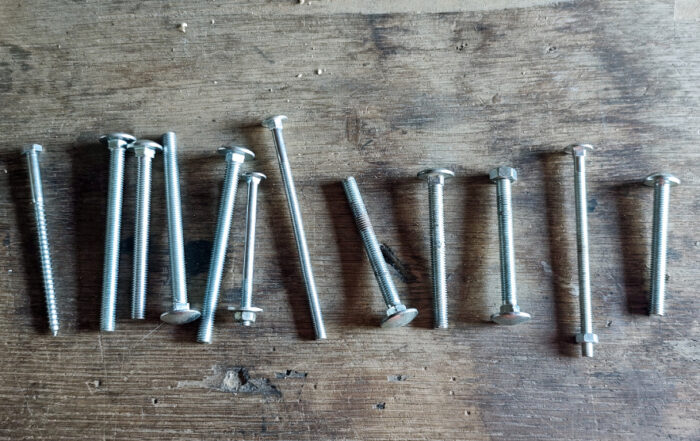
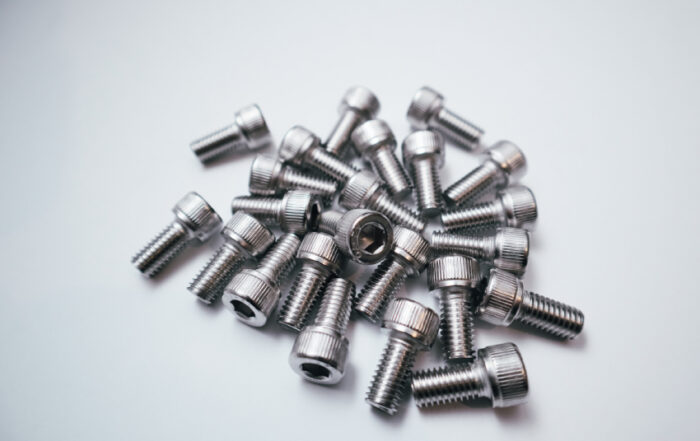
At Marsh Fasteners, our inventory includes wood screws for marine decking, machine screws for industrial equipment, and deck screws specifically designed for coastal applications.
Self-tapping and self-drilling screws in 316 stainless steel are particularly useful for marine hardware installations where you need to create your own threads. These eliminate the need for pre-drilling in many applications, which speeds up installation and reduces water intrusion risk.
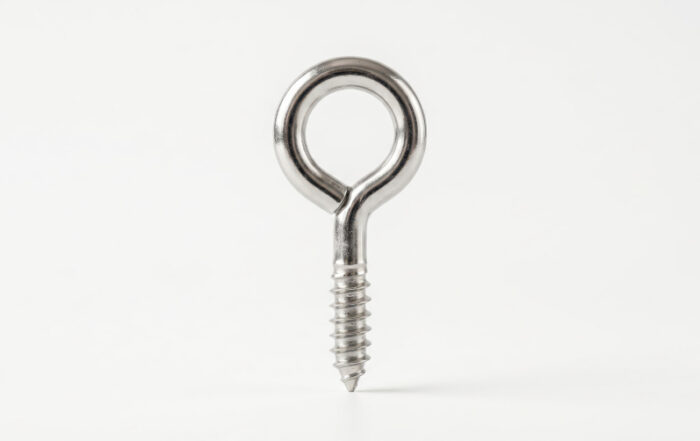
We also stock specialty fasteners designed specifically for marine hardware—screws with specific head styles, thread patterns, and lengths that match common marine applications.
Benefits of Choosing 316 Stainless Steel Screws
The primary benefit is obvious: long-lasting corrosion resistance. But the secondary benefits are what really matter from a practical standpoint. Reduced maintenance costs, for one. When your fasteners don’t fail, you don’t have to replace them.
Strength and reliability under stress matter too. 316 stainless steel maintains its mechanical properties better than lower grades when exposed to corrosive environments. That means your connections stay tight and secure over time.
The aesthetic factor shouldn’t be ignored either. 316 stainless steel screws maintain their appearance much better than other materials, which matters for visible applications.
Buying Guide: Choosing the Right Screw for Your Project
Size matters, obviously, but so do head type, thread type, and finish. For marine applications, you’ll typically want screws with heads that sit flush or slightly below the surface to minimize water collection.
Thread type depends on your material. Wood screws have aggressive threads designed to bite into wood fibers, while machine screws have finer threads for use with nuts or threaded holes.
For bulk buyers, At Marsh Fasteners, we offer assembly and kitting services that can package fasteners according to your specific project requirements.
Our machining and cutting services also allow us to modify standard fasteners to meet specific requirements.
Where to Buy 316 Stainless Steel Screws Online
The fastener market is full of suppliers who claim to offer “marine grade” products without understanding what that means. At Marsh Fasteners, we’ve built our reputation over three decades by understanding the applications our customers face.
Our online catalog makes it easy to find the specific 316 stainless steel screws you need, with detailed specifications and application guidance. We offer both retail quantities for smaller projects and wholesale pricing for bulk orders.
The Bottom Line on 316 Stainless Steel Screws
Here’s the truth about 316 stainless steel screws: they cost more upfront, but they’re almost always cheaper in the long run. The difference in material cost is usually minimal compared to the total project cost, but the difference in performance can be dramatic.
If you’re working in marine environments, coastal areas, or industrial applications where corrosion is a concern, 316 stainless steel screws aren’t an upgrade—they’re a necessity.
Ready to upgrade your fastener game? Shop our complete selection of 316 stainless steel screws, or request a wholesale quote for bulk orders. Because when it comes to fasteners that need to perform in harsh environments, settling for “good enough” usually isn’t good enough. Contact us for more information today.