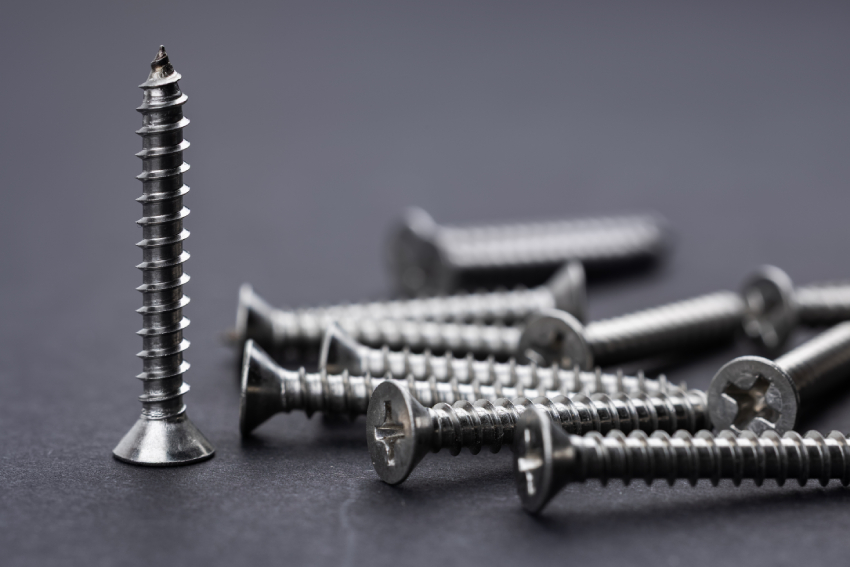
Saltwater is one of the most aggressive environments for metal. It speeds up corrosion and breaks down standard materials faster than most conditions. That creates real risk for any structure that depends on fasteners.
In marine and coastal builds, fastener failure is not a small issue. It can lead to structural damage, safety concerns, and costly repairs. That is why choosing the right material matters from the start.
When it comes to stainless steel for saltwater, 316 stainless steel stands out as the most reliable option. It offers strong resistance to corrosion and performs well under constant exposure to salt, moisture, and humidity.
Marsh Fasteners supplies a full range of marine-grade stainless steel fasteners designed for these conditions.
Shop Marine-Grade 316 Stainless Steel Fasteners Now
Why Does Salt Water Corrode Metal?
Saltwater contains chlorides. These chlorides attack metal surfaces and break down protective layers that normally prevent corrosion.
Once that layer is compromised, the metal begins to degrade.
Key corrosion types in saltwater
- Pitting corrosion: Small holes form on the metal surface and spread over time
- Crevice corrosion: Occurs in tight spaces where water gets trapped
Standard steel and coated fasteners often fail because their protective layers wear away. Once exposed, corrosion starts quickly.
That is why corrosion-resistant materials are critical in marine environments.
What Makes 316 Stainless Steel Different?
316 stainless steel is designed to handle harsh environments. Its composition gives it a clear advantage over other grades.
Key elements and their roles
- Chromium: Forms a protective oxide layer that shields the metal
- Nickel: Improves strength and helps maintain durability
- Molybdenum: Increases resistance to chlorides and saltwater
Molybdenum is the key difference between 304 and 316 stainless steel. It allows 316 to resist pitting and corrosion in saltwater conditions.
This is why 316 stainless steel for saltwater is widely used in marine construction and coastal projects.
Corrosion Resistance In Marine Environments
316 stainless steel performs well in environments where other materials fail.
It resists chloride attack, which is the main cause of corrosion in saltwater. This helps prevent surface damage and internal weakening.
Where it performs best
- Constant saltwater exposure
- High humidity coastal areas
- Salt spray environments
- Wet and submerged conditions
Compared to other metals, 316 stainless steel maintains its structure and appearance longer. That reduces the risk of failure over time.
Common Marine Applications For 316 Stainless Fasteners
316 stainless steel fasteners are used across a wide range of marine and coastal projects.
Boat hardware and fittings
Used for structural and non-structural components that face constant exposure to water and salt.
Common products include:
Dock and pier construction
Fasteners must handle moisture, movement, and load stress.
Typical hardware:
- stainless steel bolts
- stainless steel washers
Coastal decks and railings
Salt air alone can cause corrosion. Using 316 helps extend the life of outdoor structures.
Common components:
- stainless steel screws
- stainless steel nuts
Marine equipment installations
Equipment needs secure fastening under vibration and exposure.
Typical combinations:
- stainless steel bolts
- stainless steel washers
Saltwater pools and waterfront properties
Even indirect exposure to salt can lead to corrosion over time. 316 stainless steel fasteners reduce that risk.
Durability And Long-Term Cost Benefits
316 stainless steel costs more upfront. But the long-term value is clear.
Key benefits
- Longer service life in harsh environments
- Reduced replacement frequency
- Lower maintenance requirements
- Better performance under constant exposure
Coated fasteners may look like a cheaper option. But coatings wear down. Once that happens, corrosion begins.
316 stainless steel avoids that cycle and provides consistent performance.
How To Choose The Right Marine Fasteners
Choosing the correct fastener is as important as choosing the right material.
Key considerations
- Confirm the grade
Use 316 or A4 stainless for saltwater exposure - Select the right type
Choose between bolts, screws, or anchors based on your application - Check load requirements
Structural applications need higher strength fasteners - Avoid mixing metals
Mixing materials can lead to galvanic corrosion
If you are sourcing for a large project, consistency matters. Using the same grade across all components helps prevent failure.
Why Professionals Choose Marine-Grade Stainless Hardware
Marine professionals and contractors rely on materials that perform without constant replacement.
Why 316 stainless steel is preferred
- Reliable in harsh environments
- Reduces maintenance over time
- Performs well in coastal construction
- Provides better lifecycle value
For large-scale builds, using marine grade stainless steel fasteners reduces long-term risk and keeps projects on track.
Saltwater exposure creates a high-risk environment for fasteners. Standard materials fail faster and lead to higher maintenance and replacement costs.
That is why stainless steel for saltwater applications should always be carefully selected. 316 stainless steel offers strong resistance to chlorides, protects against pitting, and delivers reliable long-term performance.
Marsh Fasteners provides a full range of stainless steel fasteners for marine construction projects. Read our guide on marine hardware grade stainless steel hardware.
Shop 316 stainless steel fasteners